
A Lonely Road to Nowhere, Article 6: Day One
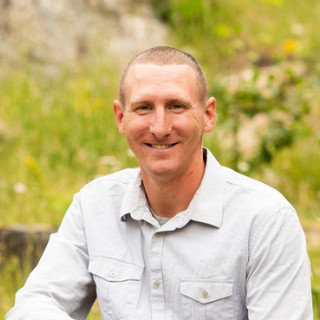
After spending the winter of 2025 in Fairbanks, I moved back to the Kenai Peninsula to help with preseason work at the fishing lodge for about a month.
But by that point, I was getting antsy. I had been talking about my ride for over a year. I had been thinking about it, dreaming about it, planning for it, and buying all the equipment I would need to set out.
I spoke with Dave and Harrison about any blind spots I wasn’t seeing as the day of my departure drew near and made a few last-minute changes to my set up.
By the time mid-May rolled around, though, I was sick of waiting.
On May 14th, a friend and I drove down to the end of Alaska’s Sterling Highway on the Homer Spit, a narrow strip of land that stretches into Kachemak Bay at the base of the Kenai Peninsula.
I unloaded all my gear and my bike, waved goodbye to my friend, and was left by myself with only my bike and my gear.
The Time Bandit, a vessel made famous by the TV show Deadliest Catch, was docked nearby. As I made camp, the sounds of hammers striking metal and ratcheting impact drivers filled what was otherwise an almost empty Homer Spit.
I sat in my tent on the eve of my ride and thought back on the lead-up to that moment. From the day I quit my corporate job to earlier that morning when I had loaded my gear into my car and headed for Homer, I had been filled with questions.
What was I going to bring? How much money did I need to have saved? How long did I think I would be on the road? What if I got hurt? What if I had to stop? What if I was never even supposed to go on this ride in the first place?
All those questions hit me as I sat in my tent one day before starting my training ride to Fairbanks.
For all those questions, though, I kept returning to the only question that really mattered: What decision would lead to a bigger life?
It wasn’t about the costs for me. It wasn’t about the sacrifices. I was setting out on this ride for one reason: Curiosity.
Suddenly, all those questions I’d been asking myself started changing.
What if I kept going through all the hardships I was sure to face? What if I followed through with this idea and saw it to completion? What if, instead of getting distracted by all the possibilities and opportunities available to me, I eliminated those distractions and focused on doing just one thing at a time?
The guys quit working on The Time Bandit at some point in the evening, and the only sounds I was left with were the howling winds that pummeled the Spit and the raging thoughts that bounced around inside my own head.
I recorded my thoughts in my journal and slid my sleep mask over my eyes.
The following day would be Day One.
Uphill in the Rain
It was overcast and still plenty windy on the Homer Spit in the morning when I broke camp and loaded up. My motions were slow and questioning. I hadn’t yet gotten a feel for my bike, my gear, or the daily rhythm of breaking camp.
I rode towards the end of the Spit still feeling wobbly and uncertain of my every move. The pavement ended, and I rested my bike against a bench as I gazed across Kachemak Bay at the panoramic view of the mountains beyond it.
As I stood there, taking in the view just moments before setting out, I said a quick prayer.
“Let whatever this thing is do whatever it’s going to do,” I breathed out. “Just please let me not get squashed by a semi in the process.”
A lady and her grandkids pulled up in a van, and I asked her to take a picture of me on the beach.

Then she pulled away and left me standing there alone.
“Alright Su,” I said as I clipped into one of my pedals. “Here goes nothing.”
I had chosen to name my bike Su since it was a Kona SUtra model. And yes, I talked to her frequently throughout my ride.
I finally kicked off the pavement and followed a path that ran the length of the Spit. I was at sea level, and by the time I left Homer, I would be at around 7-800 feet.
So, Day One was going to be all uphill.
By the time I reached the beginning of the Spit, clouds had rolled in, and it started to rain. Wonderful.
I stopped for food in town, then started slowly continuing uphill in the downpour.
Once I reached the tops of the bluffs outside Homer, I turned back to survey what I had just accomplished. My heart was pounding fast and sweat dripped down my back despite the cool temperatures.
I waited for my heart rate to drop. Then I finished climbing the hill, leaving the ocean behind me for good.
By the time I reached flat ground, my legs were already shot. I fell into a rhythm of peddling that put me into a state that landed somewhere between wakefulness and resting.
Once I made it to flat ground, my eyelids began to droop. I wasn’t quite falling asleep as I rode, but I also wasn’t fully alert. It may have been my body’s way of recovering after working so hard to get up the hill in Homer. But as I rode on flat ground, I fell into something of a daze.
My legs kept pumping, my heart kept pounding, but my brain decided it didn’t need to be awake.
I rode in that comatose state until I made it to a roadside campground about 45 miles north of Homer that day and called it quits.
I made camp, ate a late dinner, and crawled into my tent at 11pm.
I had survived my first full day of riding. It was cold, rainy, and mostly uphill. But I was 45 miles closer to Fairbanks than I had been at the start of the day.
As soon as I snuggled into my sleeping bag for the night, my whole body melted, and I drifted into a deep sleep.
I had survived Day One.


Comments